Urology Library
PeeDoc has been a source of urology information for more than two decades. This library brings that together in one place.
It is an education library rather than a list of everything I currently treat.
Highlighted topics are ones I treat, or give second opinions on, at Peri Health & Hormones. The rest are here as education.
Why hormones are a cornerstone of urology rather than a departure from it.
Learn more →The 2002 study that changed how a generation of women were treated, and how it was misread.
Learn more →A normal number does not close the case. Symptomatic men deserve evaluation, and treatment works.
Learn more →Simple infections, and what changes when they keep coming back.
Learn more →Four different problems under one word, with four different treatments.
Learn more →Bladder pain and urgency without an infection to explain it.
Learn more →Not a character flaw and not simply age. It usually has a cause.
Learn more →Common, treatable, and frequently an early warning sign of something else.
Learn more →Not a character flaw and not simply age. It usually has a cause.
Learn more →Premature, delayed, painful or retrograde. Different problems, different answers.
Learn more →Half of infertility involves a male factor, and the man often never gets evaluated.
Learn more →The problems men least want to raise, which is why they go untreated for years.
Learn more →No needle, no scalpel, under fifteen minutes, performed personally.
Learn more →What the number means, and what actually happens after an elevated result.
Learn more →Grade Groups, staging, active surveillance, and how the treatment decision is really made.
Learn more →Symptoms, and the modern options between a daily pill and a real operation.
Learn more →Several different conditions under one word, and why the third one is so often mishandled.
Learn more →Small permanent implants that hold the prostate open, without cutting or heating.
Learn more →Shrinking the prostate by reducing its blood supply, without entering the urethra.
Learn more →A robotically guided water jet that removes tissue without heat.
Learn more →Treatment, and the prevention workup most stone formers never get.
Learn more →Why hematuria always deserves evaluation, even when something obvious explains it.
Learn more →Usually found through blood in the urine, and not confined to the bladder.
Learn more →163 urology and hormone terms in plain language.
Learn more →More than most people assume, and a good deal of it is hormonal.
Learn more →What it means, and why it is worth checking.
Learn more →15 pieces written over the years.

A 6 mm stone and a 6 cm stone are not the same problem. What your report actually says, the odds a stone passes, how long it takes, and the one symptom that means go to the ER tonight.
Read article →
Most kidney stones are calcium-based, and once they form they are nearly impossible to dissolve. What actually works for a large stone, and when surgery is the answer.
Read article →
You can overdose on potassium, but for most people it takes far more than bananas. When kidney problems and certain blood pressure medications make it a real risk.
Read article →
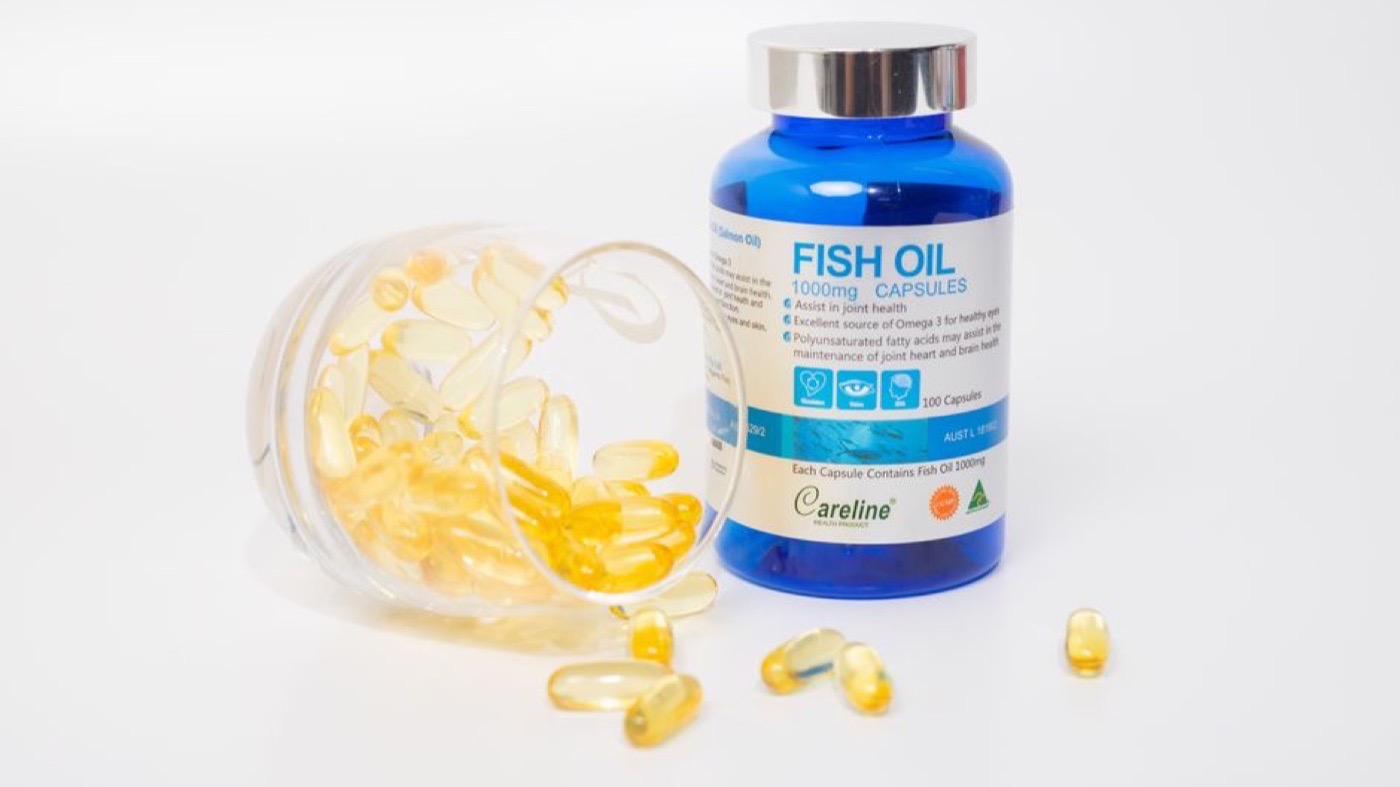
Does fish oil raise PSA or prostate cancer risk? A look at the omega-3 study that worried a lot of patients, and what it does and does not actually show.
Read article →
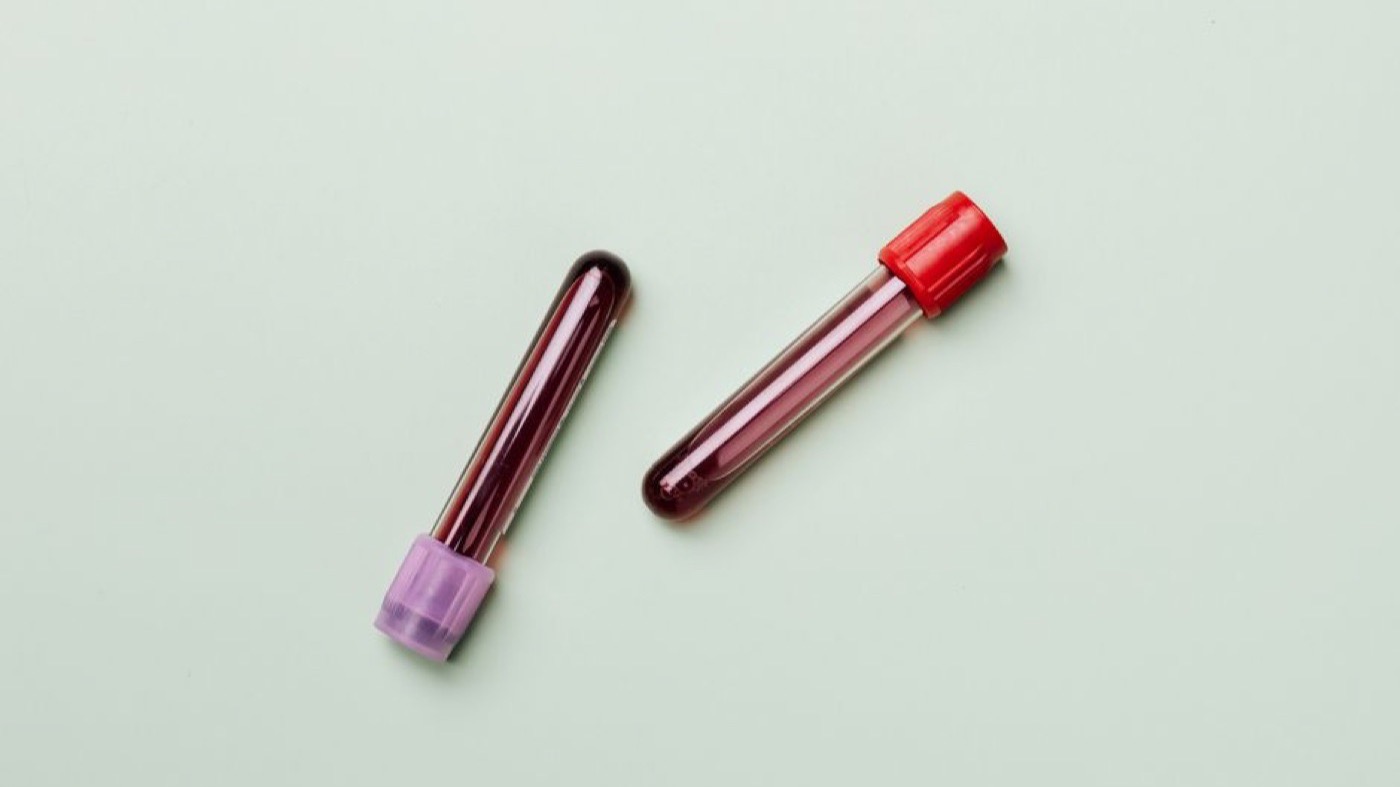
PSA is the most argued-over test in urology. What an elevated result means, why overtreatment was a real problem, and what changed to fix it.
Read article →
Can you live with one kidney that is not in perfect condition? Usually yes, but carefully. How diabetes, blood pressure, and ordinary aging change the math.
Read article →
A urologist looks back at three decades of new technology, what actually changed how patients do, and what quietly disappeared.
Read article →
You've been diagnosed with prostate cancer. How grade, stage, and your own health shape the decision, and what each option actually involves.
Read article →
A single PSA number rarely settles anything. How age, free PSA, density, and velocity each add to the picture, and what actually happens after an elevated result.
Read article →
Dr. Roscoe Nelson was designated a UroLift Center of Excellence. More useful than the award: where minimally invasive options actually fit for an enlarged prostate.
Read article →
Guest commentary from Benjamin Davies, MD, on how changes to prostate cancer screening policy affect men's health.
Read article →
An elevated PSA is a starting point, not a diagnosis. What happens at the follow-up visit, and how the decision to biopsy actually gets made.
Read article →
What we can do for prostate cancer that has spread, and how treating earlier and harder changed the outlook.
Read article →
Kidney pain shows up in the mid back, the abdomen, or the groin depending on the cause. How to tell it apart from an ordinary muscle strain.
Read article →
Everyone knows what smoking does to lungs. Almost nobody knows it is the biggest cause of bladder cancer, or that it shows up in the bedroom years before it reaches the heart. A urologist's case for quitting, and how to actually do it.
Read article →This library is kept because the education is genuinely useful and people still search for it. PeeDoc is not a full-service urology practice.
What I still treat directly: kidney stones and stone prevention, enlarged prostate with the minimally invasive options, complex voiding dysfunction, recurrent and complex urinary infection, and vasectomy. Complex urologic second opinions are welcome, including complex PSA and prostate decisions, where a second look is often worth more than a second procedure.
What I do not do: nephrectomy, radical prostatectomy, and the surgical management of kidney, testicular and penile cancer. If that is what you need, the right move is to find a surgeon who does those regularly. I am glad to help you work out what to ask.