Hormones, Longevity & Healthy Aging
Plenty of men and women now walk in asking about their hormones by name. Plenty more come in tired, sleeping poorly, losing muscle, or not feeling like themselves, and nobody has connected it up. Hormones drive how both sexes age, and this page is for both.
Some arrive already asking about their hormones. Others only know something has changed and no one has explained it to them.
Any one of these has a dozen explanations. Several of them together, arriving in the same couple of years, is a pattern worth taking seriously. For women, my free symptom check scores all of it in about five minutes.
I want what most of my patients want: more years, and the health to enjoy every one of them. That is the whole promise of longevity medicine, and it has my full attention.
Peptide stacks, infusions, cold plunges, supplements: the interest in them is enormous, I share it, and some of them carry early evidence I follow closely.
The strongest evidence still belongs to four less glamorous things: exercise, a diet that keeps you lean, real sleep, and keeping stress down. Those four carry most of the proven benefit.
I take some of this seriously enough to prescribe it. Some peptides (the appetite peptides, for one) are already powerful medicine. I use NAD+ and Sermorelin, among others, in my own practice and help patients get real results from them, with the same rule I apply to everything else: it has to earn its place.
My job is to make those four pillars possible. Balanced hormones give you the energy to train, the sleep to recover, and the drive to keep going. They are the foundation under the pillars, not a shortcut around them. The full prescription is further down this page.
A useful panel goes well past a testosterone level. These are the ones that actually change decisions.
Men and women share the same major hormonal systems. What differs is the amounts, the ratios, the timing and how tissues respond.
A healthy woman in her twenties carries four to ten times as much testosterone as estradiol once you put them in comparable units. It does not look that way on a lab report, because the two are measured in different units entirely.
Add to that a carrier protein that can lock most of a hormone out of circulation, conversion pathways that turn one hormone into another, and feedback loops that respond to treatment, and you have a system where a single value pulled out of context tells you less than people assume.
Peptides are short chains of amino acids, and your body already runs on them. Insulin is one. So is the growth hormone releasing hormone your hypothalamus makes every night. Semaglutide and tirzepatide are peptides too, and so is PT-141.
Very few are FDA approved, and the reason is not that they failed. Most are molecules the body already makes, which means nobody can patent them, which means nobody funds the hundred-million-dollar trials. That gap is real, and it is also where a great deal of hype lives.
I understand them and have used them when appropriate. Which ones make sense depends on what the evidence and the compounding rules actually support, and both are moving targets.
Before any peptide earns a place, it has to survive five questions. Is there a believable mechanism? Has it shown a real benefit in placebo-controlled human studies? Do we understand the safety, the dosing, and what to monitor long term? Does the benefit justify the risk? And is there a better-characterized way to get the same result? Most of what is marketed as peptide therapy fails on the second question, and the fifth kills most of the rest.
None of that is a no. I prescribe several peptides in my practice today, where the evidence and their regulatory status support it, and I am glad to work with patients who arrive informed and want to make intelligent decisions about them. I am not trying to talk anyone out of the category. My job is to make sure anything you use has a real mechanism, a defensible safety picture, clear regulatory standing, and monitoring while you are on it. Bring me the peptide you are curious about, and we will run it through those questions together.
Not pushing your hormones back to twenty five. Staying functional enough to enjoy the years you add.
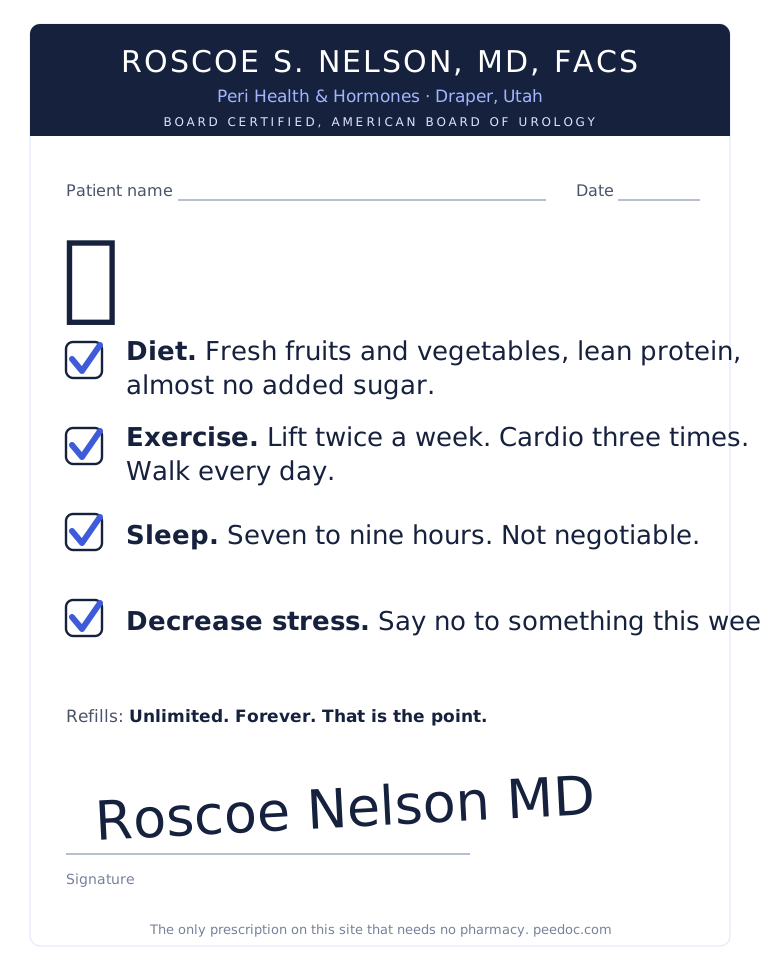
After three decades in medicine, here is what I know about longevity: the four interventions with the strongest evidence are not for sale. Nobody profits from them, so nobody markets them, and they get drowned out by things that come in a vial. So I wrote them up the way I write everything else.
No named diet outperforms the boring fundamentals held consistently: plenty of fresh fruits and vegetables, lean animal proteins and healthy protein supplements that maintain muscle, with no added hormones or chemicals, and very little added sugar. Fiber is helpful in many ways, especially in keeping you full and stabilizing your blood sugars. The pattern matters more than the brand, and the version you can sustain beats the version that impresses people.
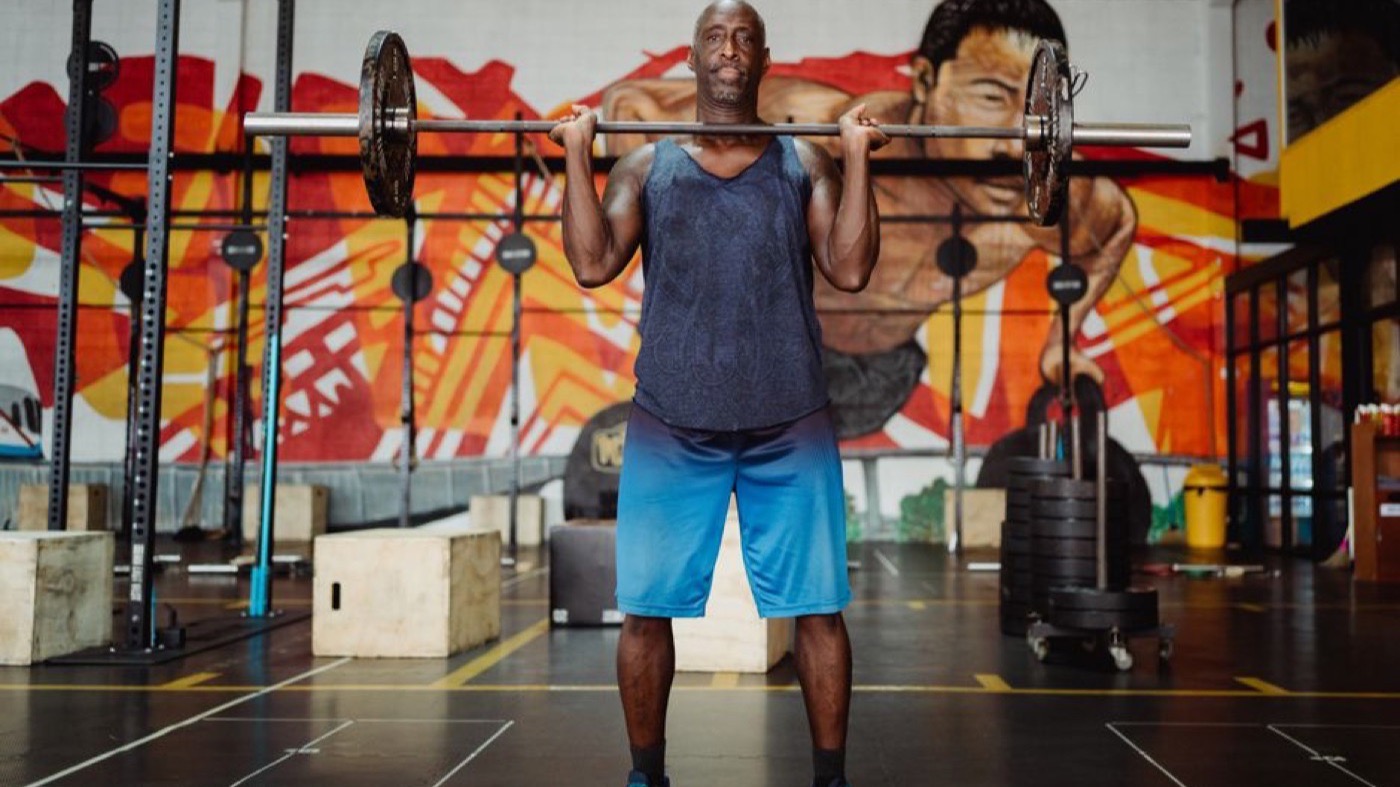
If exercise were a drug it would be the most valuable one ever made. Muscle work and heart work are different jobs. Resistance training at least twice a week, because muscle is the organ of aging, cardio at least three times a week for the heart, and a walk every day. Fitness in midlife is one of the strongest predictors of how the last decades go.
Seven to nine hours, and it is not a luxury. Sleep is when hormones are made, when the brain clears its waste, and when blood sugar regulation resets. Women need more sleep than men, and usually get less of it. Nearly every symptom on this site gets worse when sleep goes, and treating anything else without fixing sleep is bailing a boat without plugging the hole.
Chronic stress is a hormone problem. Cortisol suppresses the signal from the brain to the gonads, disrupts sleep, raises blood sugar and drives fat to the middle. The fix does not need to be elaborate. Something daily that lowers the load, and permission to say no to something this week.
Everything else I do sits on top of these four. The order is the point. Hormone therapy, whether that is estradiol, progesterone and very often testosterone for a woman in the menopause transition, or testosterone for a man who is symptomatically low, restores the machinery that makes the four pillars work. GLP-1 medications turn down an appetite signal so that the diet pillar becomes achievable rather than heroic. Thoughtful supplements fill measured gaps, which is why mine follow labs rather than trends. Selected peptides earn a place when they survive the five questions I put to every one of them.
None of it replaces the prescription above. All of it works better on top of it. That is what optimization means here: clearing every obstacle between you and the four things that do the real work.
Direct answers first. The details follow.
A man with real symptoms and properly documented low levels, after the reversible causes have been looked at. That is the whole formula. The symptoms are fatigue, low drive, declining muscle, low mood and softer erections. The documentation is a proper morning panel with free testosterone, not one afternoon draw. The honest look first is a discussion of sleep apnea, weight, alcohol, medications and other options, because some men need repair more than replacement. From there it is a shared decision: if we agree it would be a benefit, I will prescribe it, and I will do it well.
The best evidence says no. TRAVERSE, a randomized trial of over five thousand men with cardiac risk published in 2023, found testosterone therapy did not increase major cardiovascular events compared with placebo. That trial existed because of a decade of fear built on weaker studies. What remains true: therapy needs monitoring, hematocrit can rise and needs watching, and a man with a recent cardiac event deserves a careful conversation. Monitored treatment in the right man is not the risk it was made out to be.
Testosterone therapy has not been shown to cause prostate cancer. That fear came from 1940s logic, castration shrinks prostate cancer, so testosterone must feed it, and seventy years of accumulated evidence has not borne it out. PSA typically rises slightly in the first months of therapy as the prostate returns to its baseline state, which is expected and monitored, not a signal of cancer. I still check PSA before and during treatment, because screening is good medicine either way. But no man should be denied evaluation over a fear the data does not support.
It can do both, and any doctor who does not say so up front is doing you a disservice. Outside testosterone quiets the brain's signal to the testicles, so they slow their own production and may soften and shrink. Sperm production usually falls, sometimes to zero. If children are in your future, that conversation happens before the first dose, not after, because there are alternatives that raise your own production instead of replacing it. For men done with fertility, the change is usually cosmetic and often partly reversible, but it is real.
Exercise, and it is not close. Cardiorespiratory fitness and muscle strength in midlife are among the strongest predictors of both lifespan and the quality of the years at the end of it. After exercise come sleep, a diet built on fresh fruits and vegetables, lean protein and almost no added sugar, not smoking, and keeping blood pressure and blood sugar controlled.
Because muscle is the organ of aging. It is where blood sugar gets disposed of, it is what keeps you off the floor after a stumble, and it is the reserve you draw on when illness hits. Adults lose muscle steadily from midlife unless they actively resist it, and the loss accelerates with menopause and with low testosterone. Resistance training twice a week, with enough protein to build on, is the single most reliable counter.
It clearly improves healthspan, which is the years you feel well, and that is the claim I will stand behind. Estrogen started near menopause protects bone, treats the symptoms that wreck sleep and exercise, lowers the risk of urinary tract infections, cut cardiovascular events by about half in the one randomized trial that started women early and followed them for a decade, and newer evidence suggests an early start may lower the risk of dementia. Testosterone in a man who has symptoms of low T restores the muscle, energy and drive the pillars depend on. Whether hormones extend lifespan itself is unsettled, but here is what the WHI, a study I have real problems with, showed after eighteen years of follow-up: women on hormone therapy did not die at higher rates than women on placebo, the estrogen-only group trended toward fewer deaths, and the women who started in their fifties did best of all. The study used to frighten a generation off hormones could not find an excess death in eighteen years of looking.
Last medically reviewed August 2026 by Roscoe S. Nelson, MD, FACS, board-certified urologist.
Peri Health & Hormones is where Dr. Nelson provides current clinical care in hormones, metabolic health, sexual health, recurrent UTI and selected procedures.
807 E. Pioneer Rd. Suite 105
Draper, UT 84020
Straight answers. No hype. Just practical information you can use.